64% of internet users conduct online searches before going to a store


Be aware: the era of “online VS offline” is over. Physical stores and online channels can no longer be treated as opposites. Today, they are completely complementary and offer users an optimal shopping experience.
64% of Internet users engage in what is known as ROPO: Research Online, Purchase Offline. Before visiting a store in person, users search online to check product availability, price, features, etc.
The challenge for e-commerce businesses is therefore to make their points of sale visible online and highlight the products available there along with their information.
Mobile-to-store: the weapon for driving traffic to your stores
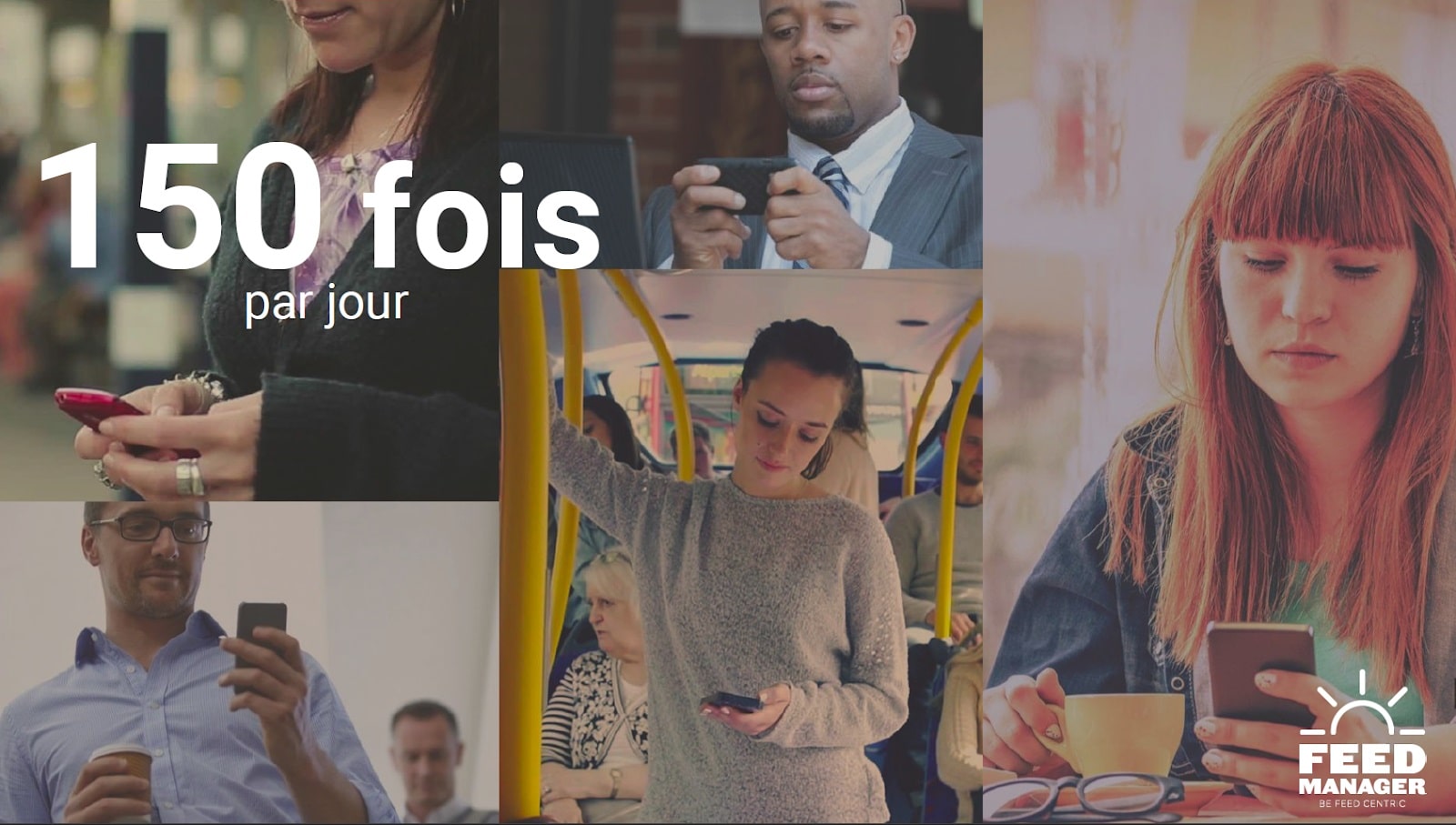
150. That is the average number of times we check our smartphones every day. It is also the number of opportunities an e-commerce business has to interact with a potential buyer.
Mobile traffic has exceeded desktop traffic since the beginning of 2017 and continues to increase every day. However, the conversion rate remains relatively low. To turn this mobile traffic into conversions, why not attract users to stores, where the conversion rate may be higher?
Implementing a mobile-to-store strategy is synonymous with growth. The aim is to capture users carrying out searches on mobile devices and attract them to stores. For e-commerce businesses, this sales channel represents a major opportunity: in addition to increasing their online presence through the publication of multiple offers, it increases in-store traffic and potentially revenue as well. Finally, it can be highly beneficial to brand image and provide a way to build loyalty by creating genuine physical contact with the customer.
Different channels can be used as part of a web-to-store strategy. Using them intelligently increases the chances of reaching users and attracting them to a point of sale. Mobile display, paid search, organic search, social networks, mobile apps…
Google LIA: Google’s advertising format for mobile-to-store
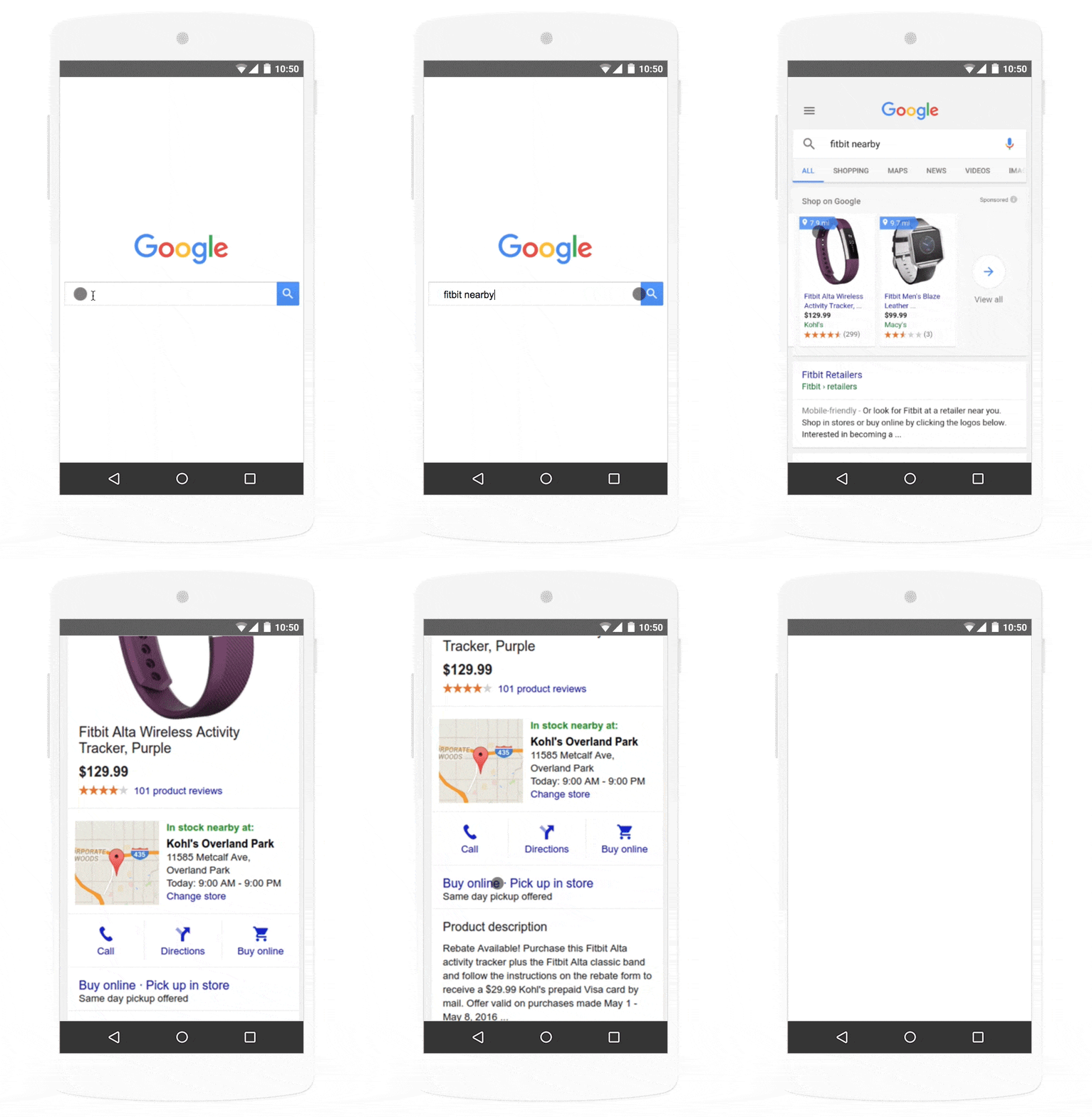
One of the most powerful mobile-to-store channels is the advertising format launched by Google in 2014: Google Local Inventory Ads. With this format, advertisers can use their Adwords account (linked to their Merchant Center account) to publish products available in stores directly on the search engine. With Google LIA, e-commerce businesses can therefore reach targeted shoppers by displaying product ads in Google search results.
At first glance, LIA ads are very similar to “classic” Shopping ads. Product image, title and price. What makes them different? An icon and an indication of in-store availability displayed directly in the ad. When a user clicks on the ad, a product page opens with product details, the store address, opening hours and the distance between the user and the store.
This format represents a genuine opportunity to improve the shopping journey, which is becoming increasingly omnichannel. It gives store product catalogues visibility on the most widely used search engine in France.
Overall, retailers recorded an average 2% increase in click-through rate when they displayed local product ads instead of classic Shopping ads.
To create LIA ads, several criteria must be met:
- Have a Merchant Center account and an Adwords account
- Have an online product feed (the feed used for classic Shopping campaigns)*
- Have a Google My Business account listing the addresses of your various physical stores (with the corresponding ID)
- Develop a local product feed (listing the products available at each point of sale)
- Develop an inventory feed (indicating the stock and price of each product in store) and match it with the product feed
Would you like to set up a Google LIA campaign? Contact our team of specialized experts.
source: Mobile Marketing Association study & StatCounter Global Stats